AI in Tampa: How the Big Guava is Leading the Florida Tech Revolution in 2026
Key Takeaways
- Tampa's tech growth is fueled by a population surge of 3.3M+ residents in the MSA.
- Tourism businesses are using AI chatbots to manage over 26 million annual visitors.
- AI is stabilizing the Florida insurance market through hyper-accurate hurricane risk modeling.
- Proximity to MacDill AFB makes Tampa a global hub for dual-use AI defense technology.
- SMBs can see AI ROI within 14 months, provided they overcome the local talent gap.
- Integration with legacy systems remains a primary challenge for established Tampa firms.
- Hyper-personalization is becoming the standard for the Ybor and Hyde Park hospitality sectors.
# The AI Revolution in the Big Guava: Transforming Tampa’s Economy
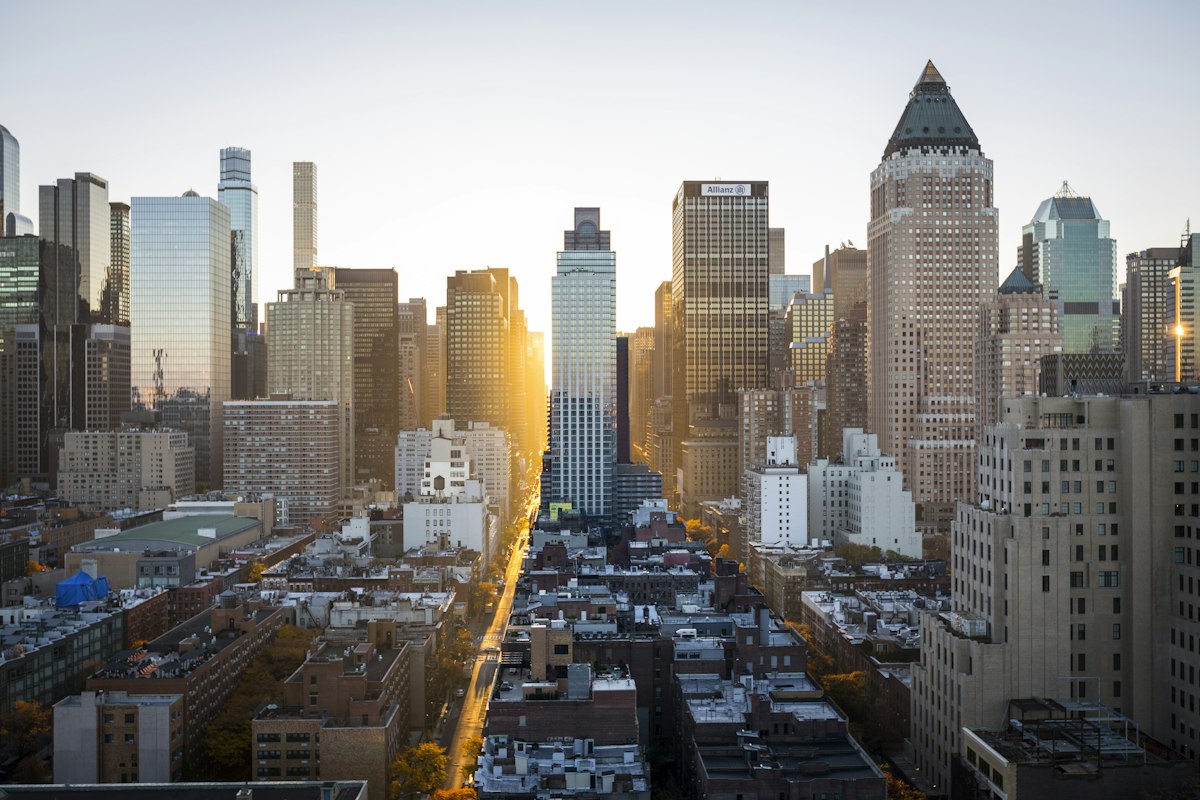
Tampa is no longer just a city of lightning and cigars. In 2026, the skyline of Downtown Tampa and the burgeoning Water Street district serve as the backdrop for one of the most significant technological shifts in the Southeast. As the city evolves into a premier tech hub, local businesses from the historic streets of Ybor City to the corporate towers of Westshore are asking the same question: How do we harness Artificial Intelligence to stay competitive?
At Adominus Intelligence, we are seeing a localized shift. Tampa isn't just adopting generic AI; it's building specialized systems designed for the unique pressures of the Florida market. Whether it's managing the seasonal influx of millions of tourists, navigating the complex landscape of Florida’s insurance market, or supporting the high-stakes missions at MacDill Air Force Base, AI has become the primary engine of local economic growth.
Why is Tampa the Next Great AI Frontier?
Tampa's economic profile makes it uniquely suited for AI disruption. According to the U.S. Census Bureau, the Tampa-St. Petersburg-Clearwater Metropolitan Statistical Area (MSA) has surpassed 3.3 million residents, maintaining a growth rate that consistently outpaces the national average. This population surge brings with it a diverse workforce and an increased demand for efficient services.
Furthermore, the Tampa Bay Economic Development Council reports that Hillsborough County is home to over 500 tech companies, contributing to a regional GDP that has seen steady gains. In 2025, Florida was ranked as the #1 state for entrepreneurship by LinkedIn Economic Graph data, with Tampa serving as a primary node for this activity. For local SMBs, this means the competitive landscape is shifting. If you aren't utilizing Data Analytics Services to understand your local market share, your competitors likely are.
How is the Tourism Sector Redefining Guest Experiences?
Tampa’s tourism industry, anchored by Busch Gardens, the Florida Aquarium, and the Port of Tampa Bay, is a multibillion-dollar engine. According to Visit Tampa Bay, the region saw over 26 million visitors in the last fiscal year. Managing this volume requires more than just human staff; it requires intelligent automation.
The Rise of Hyper-Personalization in Ybor and Beyond Hotels and attractions in neighborhoods like Hyde Park and the Channel District are now using AI to create "hyper-personalized" itineraries. By analyzing social media trends and historical booking data, AI models can predict what a traveler wants before they even ask. For example, [AI Chatbot Solutions](/services/ai-chatbots) are being deployed by local boutique hotels to handle 24/7 concierge requests in multiple languages, reflecting Tampa's diverse visitor demographic.
Operational Efficiency in High-Traffic Zones At the Port of Tampa Bay, AI-driven logistics models are optimizing cruise ship turnarounds. A **McKinsey & Company** report on travel and logistics notes that AI-integrated scheduling can reduce operational overhead by up to 15-20%. In a city where traffic congestion near the Selmon Expressway can impact tourist movement, AI-driven transit apps are helping visitors navigate the city more effectively, ensuring that the "visitor experience" remains high despite the growing population.
Can AI Solve the Florida Insurance Crisis?
It is no secret that Florida faces a unique insurance challenge. Between rising sea levels and the annual threat of hurricane season, insurance premiums in the Tampa Bay area have historically been some of the highest in the nation. However, AI is providing a glimmer of hope for both providers and policyholders.
Predictive Risk Modeling for Hurricanes Local insurance firms are moving away from static actuarial tables. Instead, they are utilizing deep learning models that ingest satellite imagery and real-time climate data. **Gartner** indicates that AI-driven risk assessment can improve loss ratio accuracy by nearly 10% in volatile markets. By pinpointing exactly which homes in South Tampa are at risk of storm surge versus wind damage, insurers can price policies more accurately, preventing the mass exits of carriers seen in previous years.
Automation in Claims Processing Following a major weather event, the speed of claims processing is vital. Tampa-based insurance startups are utilizing computer vision AI to analyze drone footage of damaged roofs. This allows for "straight-through processing," where a claim can be verified and a payout initiated in hours rather than weeks. This efficiency is critical for the survival of local businesses and homeowners alike.
How Does MacDill Air Force Base Influence Local AI Innovation?
One of Tampa's greatest strategic advantages is its proximity to MacDill Air Force Base, home to U.S. Central Command (CENTCOM) and U.S. Special Operations Command (SOCOM). The "military-adjacent" business ecosystem in Tampa is robust, consisting of defense contractors, cybersecurity firms, and aerospace startups.
Dual-Use Technology and the "Silicon Grove" Many technologies developed for the Department of Defense (DoD) eventually find their way into the private sector. In Tampa, this is known as "dual-use" innovation. Local firms are developing AI that can process massive amounts of sensor data—a skill honed for battlefield awareness but now being applied to autonomous delivery vehicles in the Westshore Business District. According to the **National Defense Industrial Association (NDIA)**, Florida ranks among the top states for defense spending, with a significant portion allocated to AI and cybersecurity research.
Cybersecurity in the Age of AI With the presence of such high-level military assets, Tampa has become a magnet for cybersecurity talent. As AI makes cyberattacks more sophisticated, local firms are using AI to defend against AI. Machine learning algorithms are now the standard for detecting anomalies in network traffic, protecting both the military assets at MacDill and the financial data of nearby institutions like Raymond James. If you're curious about how these technologies apply to your business, our [Frequently Asked Questions](/faq) page covers the basics of AI-driven security.
What Are the Local Implementation Challenges for Tampa SMBs?
While the potential is vast, the road to AI adoption isn't without hurdles. Small and medium-sized businesses in Tampa face three primary challenges:
- The Talent Gap: Despite the growth of the University of South Florida (USF) and local coding bootcamps, there is a fierce competition for AI engineers. According to the Bureau of Labor Statistics, roles in data science and AI are projected to grow by 36% through 2031, far exceeding most other professions.
- Data Privacy: In a state with strict consumer privacy laws, Tampa businesses must be careful about how they collect and train their AI models. Missteps can lead to heavy fines and loss of consumer trust.
- Legacy Systems: Many established Tampa businesses, especially in the retail and manufacturing sectors, are still running on legacy software. Integrating modern AI into these systems requires a strategic approach. You can learn more about how we bridge this gap in our section on AI for Retail.
How Much Does AI Implementation Cost for a Tampa Business?
Budgeting for AI is the #1 concern for most CEOs we speak with in the Tampa Bay area. While enterprise-level solutions can reach six figures, the reality for most SMBs is more modular and affordable.
| Implementation Level | Estimated Cost (Annual) | Primary Focus |
|---|---|---|
| Entry Level | $5,000 - $15,000 | Basic Chatbots & Automation |
| Mid-Market | $20,000 - $75,000 | Predictive Analytics & CRM Integration |
| Enterprise | $100,000+ | Custom LLMs & Full-Stack AI Integration |
*Note: Costs are directional based on 2025-2026 market averages in the Southeast US.*
According to a Deloitte survey of small business owners, those who invested in AI saw an average return on investment (ROI) within 14 months. In a high-growth city like Tampa, waiting too long to invest could mean losing your competitive edge to a more agile startup.
Where Should Your Business Start Its AI Journey?
The transition to an AI-driven economy is not a matter of "if," but "when." For Tampa businesses, the opportunity lies in combining the city's traditional strengths—hospitality, finance, and defense—with the cutting-edge capabilities of machine learning.
At Adominus Intelligence, we don't believe in one-size-fits-all solutions. We understand the nuances of the Tampa market, from the seasonal rhythms of the tourism cycle to the regulatory landscape of Florida insurance. You can learn more About Adominus Intelligence and our commitment to helping Florida businesses thrive in the digital age.
Don't let your business get left behind in the Florida sun. Start your transformation today.
Ready to see how AI can transform your Tampa business? [Click here for a Free AI Readiness Assessment](/free-assessment)
Frequently Asked Questions
Is AI too expensive for a small business in Tampa?
Not necessarily. Many AI solutions for SMBs are now offered on a SaaS (Software as a Service) basis, allowing Tampa businesses to start with low-cost automation tools for as little as a few hundred dollars a month before scaling to custom solutions.
How can AI help my business handle Florida's hurricane season?
AI can help with predictive logistics, automated customer communication during outages, and rapid damage assessment using computer vision, ensuring your business remains resilient during extreme weather events.
Are there local AI talent pools in Tampa?
Yes, the University of South Florida (USF) and Florida Polytechnic University are major pipelines for AI talent. Additionally, the 'Silicon Grove' ecosystem around MacDill AFB attracts high-level cybersecurity and data science professionals to the region.
What is the biggest risk of using AI for my local business?
The primary risks include data privacy compliance (especially under Florida laws) and 'hallucinations' in customer-facing chatbots. Working with a professional consultant like Adominus Intelligence helps mitigate these risks through robust testing and guardrails.
Can AI help with the current labor shortage in Tampa's hospitality sector?
Absolutely. AI can automate routine tasks like booking, check-ins, and basic customer service inquiries, allowing your limited human staff to focus on high-value guest interactions and complex problem-solving.